Termite Tenting in Myrtle Beach, SC
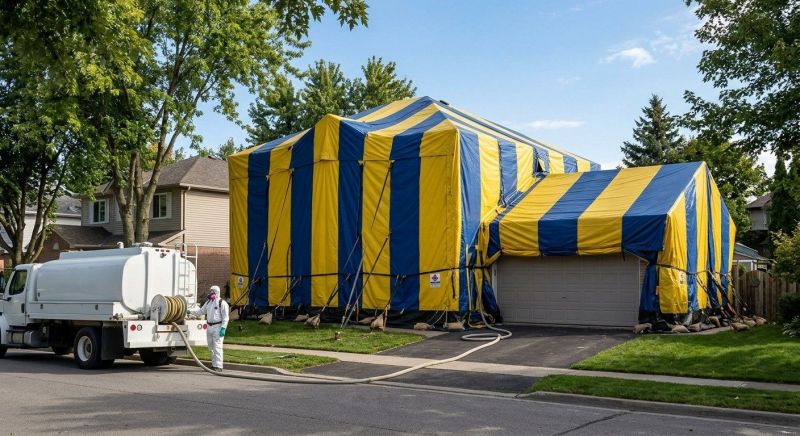
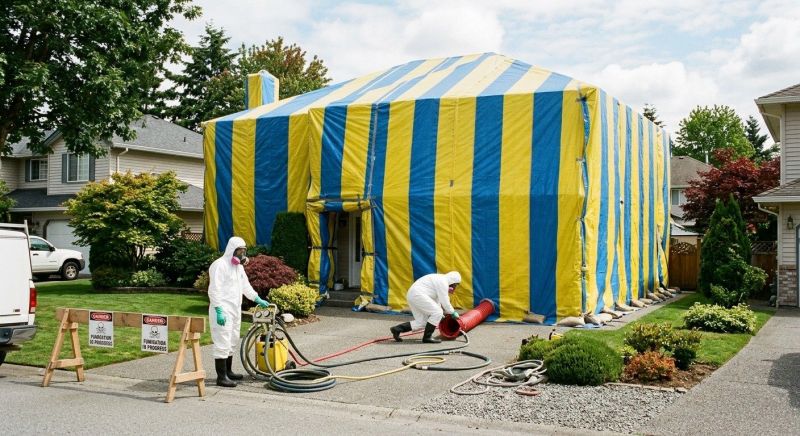
Termite tenting services involve the use of specialized equipment to treat properties infested with termites. This process typically includes enclosing the affected structure with a large tent or tarp, then releasing a fumigant that penetrates wood, walls, and other building materials to eliminate active termite colonies. These services are often requested for severe infestations or when other treatment methods have proven ineffective, covering residential homes, multi-family buildings, and commercial properties.
Homeowners considering termite tenting should understand that the process requires temporary evacuation of the property and preparation steps such as removing food, plants, and pets. It is also important to inquire about the safety procedures involved, the duration of the treatment, and any necessary post-treatment inspections. Proper planning ensures effective pest control while maintaining safety and minimizing disruption during the service.
Many property owners in Myrtle Beach, SC look into Termite Tenting for repairs, replacements, upgrades, and appearance-related improvements.
Effective Termite Elimination
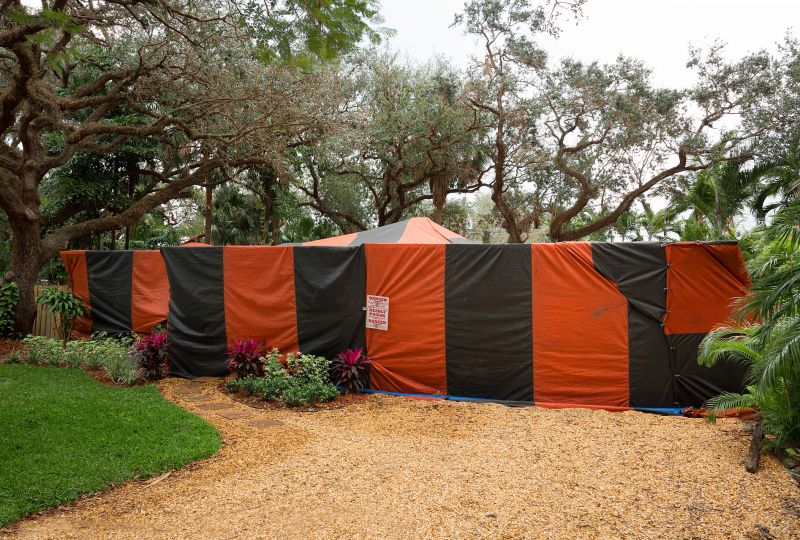
Tenting provides a comprehensive solution to eliminate termites from residential and commercial properties in myrtle beach.
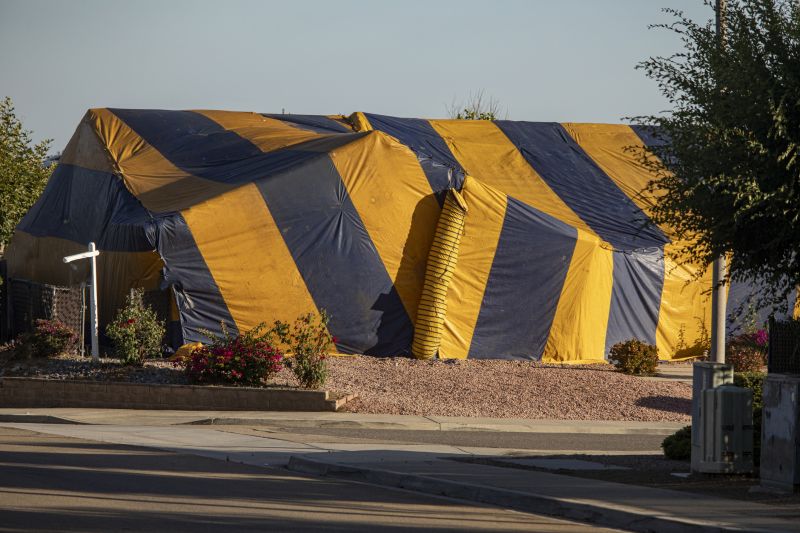
Safe Treatment Process
The tenting method involves sealing structures to ensure safe and thorough pest eradication without damaging the property.
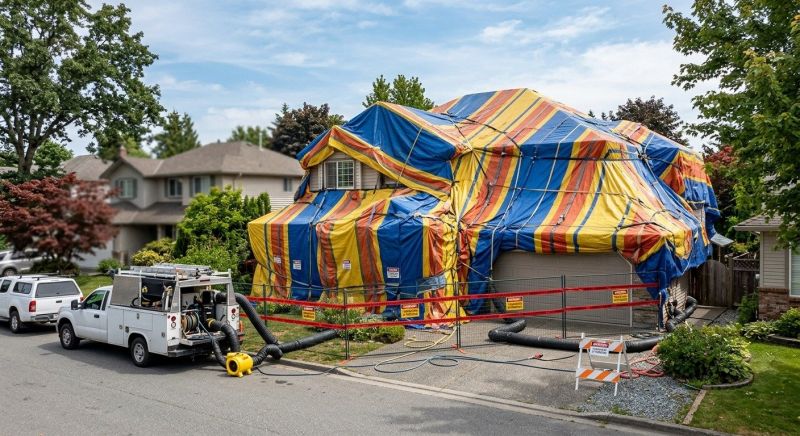
Protecting Your Property
Termite tenting helps safeguard homes and buildings from costly damage caused by unseen termite infestations in the myrtle beach area.
Termite Tenting in Myrtle Beach, SC

Termite tenting services involve the use of specialized equipment to treat properties infested with termites. This process typically includes enclosing the affected structure with a large tent or tarp, then releasing a fumigant that penetrates wood, walls, and other building materials to eliminate active termite colonies. These services are often requested for severe infestations or when other treatment methods have proven ineffective, covering residential homes, multi-family buildings, and commercial properties.
Homeowners considering termite tenting should understand that the process requires temporary evacuation of the property and preparation steps such as removing food, plants, and pets. It is also important to inquire about the safety procedures involved, the duration of the treatment, and any necessary post-treatment inspections. Proper planning ensures effective pest control while maintaining safety and minimizing disruption during the service.
Many property owners in Myrtle Beach, SC look into Termite Tenting for repairs, replacements, upgrades, and appearance-related improvements.
Common Termite Tenting Jobs
Termite Tenting - a treatment method that involves enclosing a property in a tent to eliminate termites.
Pre-Construction Tenting - used before building or adding new structures to prevent termite infestations.
Infestation Eradication - a solution for severe termite problems that require comprehensive treatment.
Existing Structure Treatment - applied to homes with ongoing or past termite activity to protect the property.
Preventive Tenting - a proactive approach to safeguard properties from future termite damage.
Re-Entry Protocol - guidelines for safely returning to the property after a termite tenting treatment.
Termite Tenting Questions
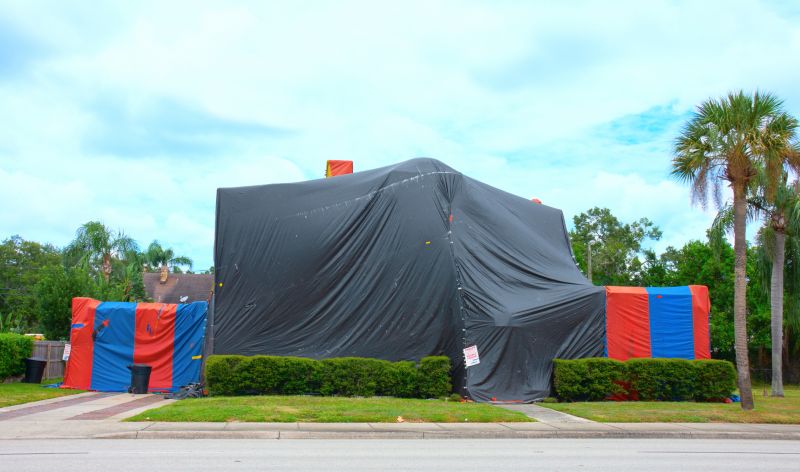
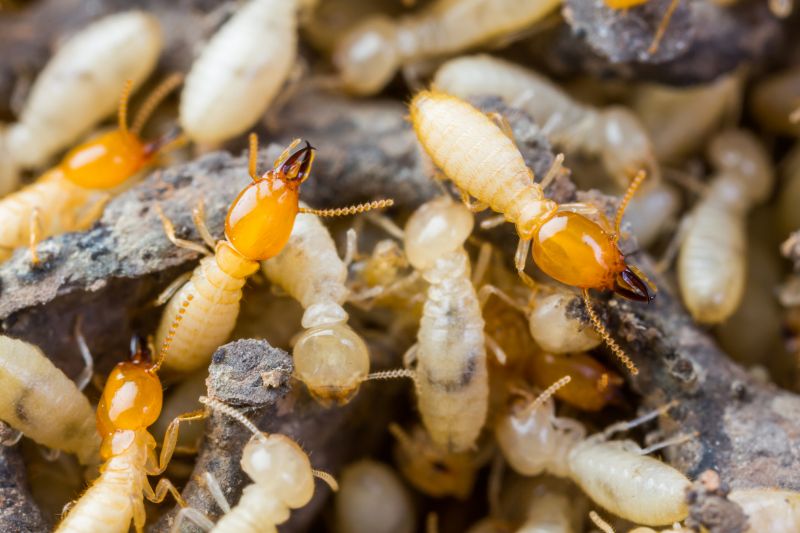
What is termite tenting? Termite tenting involves covering a property with a tarp and releasing gas to eliminate termites throughout the structure.
When is termite tenting recommended? Tenting is typically used when termite infestations are widespread or other treatment methods are ineffective.
How should a property be prepared for tenting? Property owners should remove or cover food, plants, and pets, and clear the area around the structure before treatment.
What happens after termite tenting? After the treatment, the tent is removed, and the property can be ventilated before re-entry.
Request Termite Tenting in Myrtle Beach, SC
Use the quote form on this page to share the basics of your project and request more information for the type of work you need.